Start Your Gardening Journey Here
For more gardening-related updates, be sure to subscribe to our newsletter.

Want to learn more about us?
Take a look at who we are, what we have to offer and why this means so much to us.
Popular content
Did you know...?
Take a look at our selection of Questions and Answers, whether it's the basics of the basics or the most unconventional questions. You'll find everything you need right here.
Q: Why is companion planting helps with pest control?
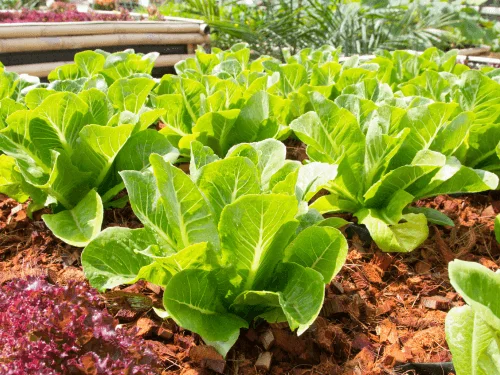
A: Companion planting helps by utilizing the strong scent and diffusive aroma of mint to deter or repel common garden pests like carrot flies, cabbage moths, and ants, which rely on their sense of smell to find host plants.
Q: Is it best to plant mint in a pot or a garden bed?
A: Due to its highly invasive root system, it is almost always best to plant mint in a container. You can plant it in a pot with the bottom removed and then sink that pot into your garden bed; this keeps the runners contained while still allowing the plant to benefit another plant nearby.
Q: What growing conditions does a mint plant prefer?
A: Mint likes moist, fertile, loamy soil and a location with partial shade to full sun. It is a remarkably resilient herb that will thrive as long as its water needs are met.
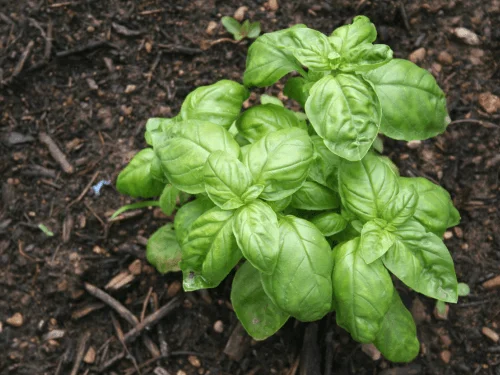
What are the benefits of companion planting with basil?
The benefits of companion planting include improved growth and flavor of basil and providing a natural insect repel system for your garden. Using basil as a companion plant allows it to attract beneficial insects via taste of basil flower nectar, while its strong scent acts to basil repels many common garden pest varieties.
Does basil help ward off specific pests?
Yes, basil in your garden is a powerful tool to insect repel. Basil alongside other aromatic plants can basil to keep aphids and other pests like the tomato hornworm away. Additionally, basil is famous for being one of the plants that repel mosquitoes, making it a great companion plant for patios.
Are there plants I should keep away from basil?
Yes, you should keep cucumber and sage away from basil. Cucumber can attract mildew that might attack basil, while sage prefers much drier soil than a basil plant. Also, keep herbs like basil away from rue, as it can stunt the growth and flavor of basil.
Q1: Why should I plant companion plants alongside lettuce?
Planting companion plants alongside lettuce offers several benefits. They can act as a natural barrier against aphids and other pests, provide partial shade for lettuce, and suppress weeds around your lettuce crop. Companion planting with lettuce ensures your lettuce grow well by improving soil moisture retention and nutrient availability. Choosing a good companion or great lettuce companion plants also allows you to grow other plants like beets and lettuce together efficiently, making your vegetable garden more productive.
Q2: Are there bad companion plants for lettuce that I should avoid?
Yes. Some bad companion plants for lettuce include cabbage, broccoli when overcrowded, and other large brassicas that compete for nutrients. Avoid planting lettuce near plants that attract pests like aphids and cabbage worms without protective measures. Overcrowding lettuce with aggressive plants can prevent lettuce seeds from germinating properly and reduce the flavor and growth of your lettuce crop.
Q3: How can companion planting prevent pests in lettuce crops?
Companion planting with lettuce can repel pests like aphids, cabbage worms, and flea beetles. For example, chives and basil keep aphids away, while radishes can act as trap crops to divert pests from lettuce leaves. Leafy companions like spinach or beets also help by providing shade and physical protection. Proper planning ensures your lettuce grows without heavy pesticide use.
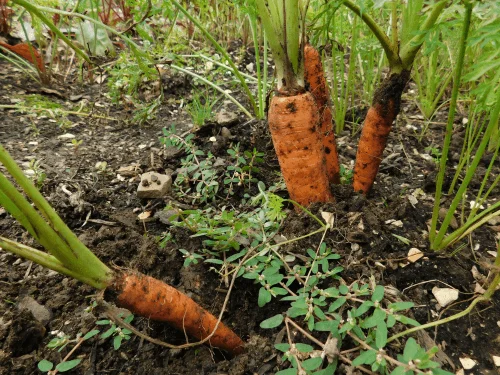
What is a carrot companion plant and why does it matter in the garden?
A carrot companion plant is any plant that grows well next to carrots and helps them grow best by improving soil conditions, repelling pests, or reducing competition for space. Companion planting with carrots matters because carrots are a popular vegetable with delicate roots that need loose soil, steady moisture, and protection from pests like carrot flies. Choosing the right carrot companion plants allows carrots to grow well together with other plants in the garden while improving overall plant health and harvest quality.
Are there bad companion plants for carrots?
Yes, there are bad companion plants for carrots that can reduce yields or attract the same pests. Potatoes and carrots should not be planted together because they compete for nutrients and space. Cabbage plants and other brassicas attract pests like aphids that may also harm carrots. Fennel and some plants in the carrot family attract the same pests and can interfere with carrot growth. Understanding good and bad companion plants helps gardeners avoid planting combinations that don’t grow well together.
Do carrots need space to grow when planted with other plants?
Carrots need space to grow, especially underground, to develop long, straight roots. When planting carrots together with companion plants, choose different plants that do not crowd the soil. Shallow-rooted plants and upright plants are ideal companions because carrots can take deeper soil space without competition. Proper spacing ensures carrots grow large and healthy while still benefiting from garden companion plants.